How to use a Clay Mask
Clay masks are one of the most effective ways to remove excess oil, lift away impurities and leave your skin looking fresher and more balanced. But using one incorrectly can leave your skin feeling dry or tight. In this guide, you'll learn exactly how to use a clay mask, how often to use it, which mistakes to avoid and why pink clay is one of the best options for sensitive skin.
1. What Is a Clay Mask?
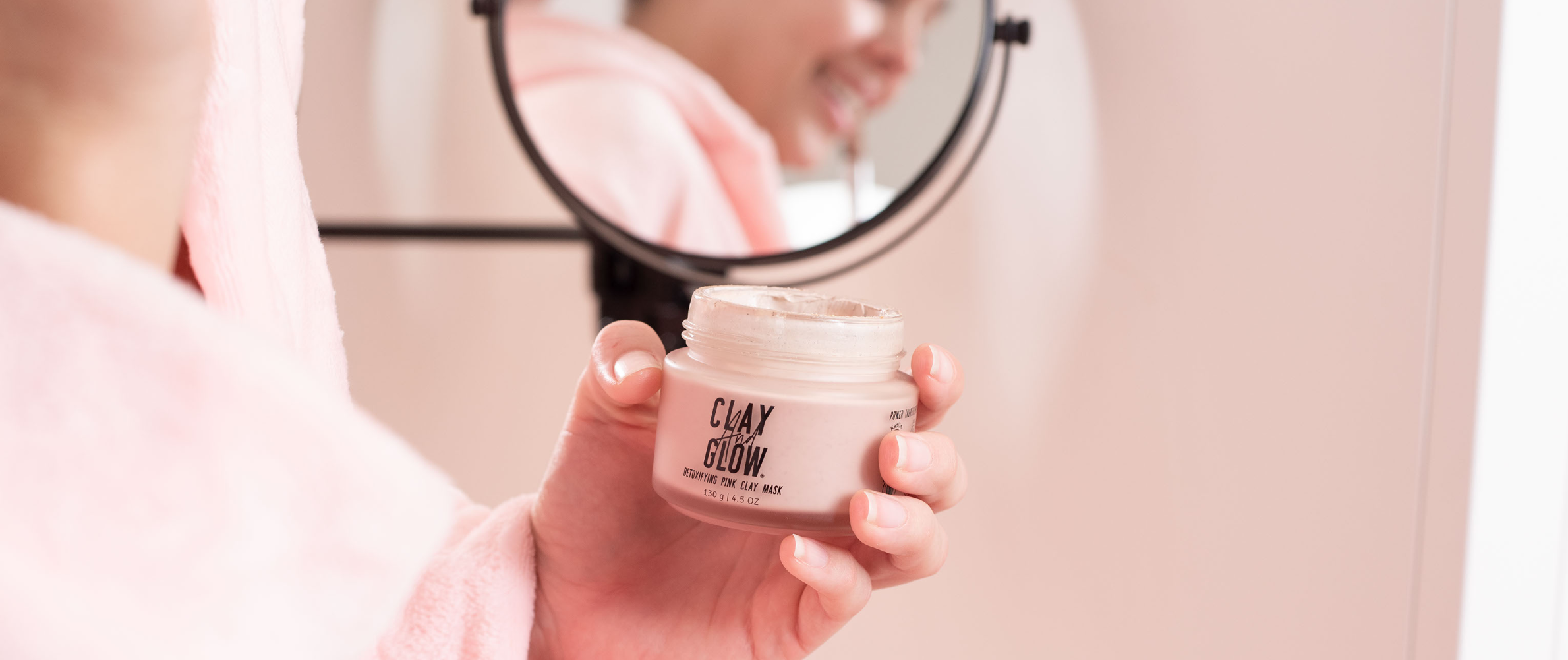
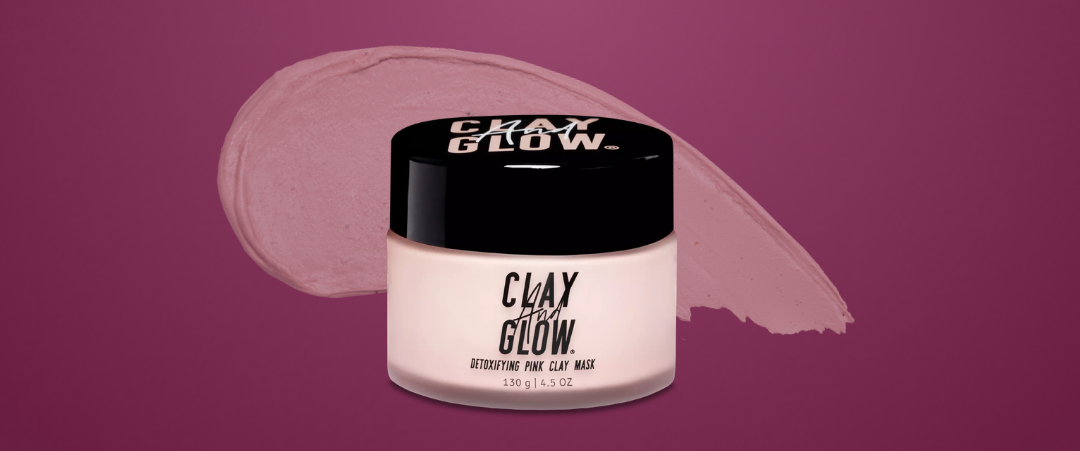
A clay mask is a skincare product made with natural clay that helps remove excess oil, dirt and other impurities from the surface of your skin.
When you apply a clay mask, the clay absorbs excess oil and lifts away buildup that can collect on your skin throughout the day. This leaves your skin feeling cleaner, fresher and smoother.
Many people use a clay mask to help reduce shine, refresh their skin and improve the appearance of clogged pores. Depending on the formula, a clay mask can also help your skin feel softer, more balanced and healthy-looking.
For best results, use a clay mask after cleansing your skin and follow with hydrating skincare to keep your skin feeling comfortable and moisturized.
2. How Does a Clay Mask Work?
A clay mask works by absorbing excess oil and lifting away dirt, dead skin cells and other impurities from the surface of your skin.
As the mask dries, it helps remove buildup that can make your skin look dull or feel oily. This leaves your skin feeling cleaner, smoother and more refreshed.
Clay masks can also help improve the appearance of clogged pores and reduce excess shine. With regular use, your skin may look more balanced, soft and healthy-looking.
For the best results, use a clay mask 1 to 3 times a week, depending on your skin type, and always follow with hydrating skincare.
3. Benefits of a Clay Mask
A clay mask can help keep your skin clean, fresh and balanced. It works by removing excess oil, dirt and impurities from the surface of your skin.
Some of the main benefits of using a clay mask are:
Removes excess oil
Clay helps absorb extra oil, which can reduce shine and leave your skin feeling fresh.
Helps remove impurities
A clay mask helps remove dirt, buildup and other impurities that can collect on your skin throughout the day.
Helps improve the appearance of pores
By removing excess oil and buildup, a clay mask can help pores look cleaner and less visible.
Leaves skin feeling smoother
After using a clay mask, your skin can feel softer, smoother and refreshed.

4. How to Use a Clay Mask
1 Cleanse
2 Dry skin
3 Thin layer
4 Wait 8-12 minutes
5 Rinse
6 Hydrate
5. Common Mistakes to Avoid
Using a clay mask the right way helps you get the best results while keeping your skin healthy and comfortable. Here are the most common mistakes people make.
Mistake #1: Leaving It On for Too Long
Many people think a clay mask should stay on until it feels very tight or starts to crack. In reality, this can leave your skin feeling dry and uncomfortable.
For best results, remove your clay mask before it completely dries. A good rule is to rinse it off when it is almost dry but still slightly damp in some areas. This helps remove excess oil and impurities without drying out your skin.
Mistake #2: Using It Every Day
Using a clay mask too often can remove more oil than your skin needs. This may leave your skin feeling dry, tight or sensitive.
Most skin types only need a clay mask 1 to 3 times a week. Giving your skin time to recover between treatments helps keep it balanced and healthy.
Mistake #3: Applying a Thick Layer
A thicker layer does not make the clay mask work better. It simply takes longer to dry and uses more product than necessary.
A thin, even layer is enough to cover your skin and allows the clay to work effectively while making the mask easier to remove.
Mistake #4: Skipping Moisturizer Afterwards
After using a clay mask, your skin can lose some moisture along with excess oil. That's why it's important to apply a hydrating moisturizer after rinsing off the mask.
A moisturizer helps restore hydration, supports your skin barrier and leaves your skin feeling soft, smooth and comfortable.
Mistake #5: Using a Clay Mask with Strong Acids
Avoid using a clay mask together with strong exfoliating acids, such as AHAs or BHAs, in the same skincare routine—especially if you have sensitive skin.
Both products can be effective on their own, but using them together may increase the chance of dryness, irritation or redness. If you use exfoliating acids, it's often best to use them on a different day than your clay mask.
6. How Often Should You Use One?
How often you should use a clay mask depends on your skin type and how your skin reacts.
For most skin types, using a clay mask 1 to 3 times per week is enough to keep your skin feeling clean and balanced.
If you have oily or combination skin, you may benefit from using a clay mask a little more often. If you have dry or sensitive skin, using it once a week is usually a better choice.
Remember: using more does not always mean better results. Overusing a clay mask can leave your skin feeling dry or uncomfortable. Listen to your skin and adjust your routine when needed.

7. Ingredients Explained
Every ingredient in a clay mask has a purpose. Here are some of the key ingredients and why they are used in our formula.
Kaolin Clay
Kaolin Clay is a gentle type of clay that helps absorb excess oil and remove dirt and impurities from the skin's surface. It helps leave the skin feeling clean, fresh and balanced.
Natural Clay Minerals
Natural clay minerals help cleanse the skin by absorbing excess oil and removing buildup from the skin's surface. They help leave your skin feeling smoother and refreshed without feeling overly harsh.
Aloe Vera
Aloe Vera is a soothing ingredient that helps keep the skin feeling comfortable and hydrated. It helps support the skin after cleansing and leaves the skin feeling soft and refreshed.
Glycerin
Glycerin is a hydrating ingredient that helps attract and hold moisture in the skin. It helps prevent the skin from feeling dry and keeps it feeling smooth and comfortable.
Vitamin E
Vitamin E is an antioxidant that helps protect the skin from environmental stress. It also helps keep the skin feeling nourished and moisturized.
8. Frequently Asked Questions
Can I use a clay mask every day?
No. Using a clay mask every day is usually not needed and may leave your skin feeling dry or uncomfortable. For most skin types, using a clay mask 1–3 times per week is enough.
Should I moisturize after using a clay mask?
Yes. After using a clay mask, it is important to hydrate your skin with a moisturizer. This helps keep your skin feeling soft, comfortable and balanced.
Can I use a clay mask if I have acne-prone skin?
Yes. A clay mask can be helpful for acne-prone skin because it helps absorb excess oil and remove buildup. However, avoid using it too often, as overuse can cause dryness or irritation.
Does a clay mask remove blackheads?
A clay mask can help reduce the appearance of blackheads by removing excess oil and buildup from the skin. However, it does not completely remove blackheads or deeply clogged pores.
Should a clay mask crack when it dries?
No. A clay mask does not need to crack or become completely dry to work. If it feels very tight, it may mean the mask has been left on for too long.
How long should I leave a clay mask on?
Most clay masks should be left on for around 8–12 minutes. Remove the mask before it fully dries and feels uncomfortable.
Can I use a clay mask on sensitive skin?
Yes, but it is important to choose a gentle formula and use it less often. If you have sensitive skin, start with once a week and see how your skin reacts.
Can I use a clay mask during pregnancy?
Many clay masks are generally considered suitable during pregnancy. However, always check the ingredient list and consult a healthcare professional if you have any concerns.
Can men use a clay mask?
Yes. Clay masks are suitable for everyone. They can be used by anyone who wants to cleanse their skin and remove excess oil.
Should I cleanse my skin before using a clay mask?
Yes. Cleansing before applying a clay mask helps remove makeup, sunscreen and daily buildup, allowing the mask to work better.
Can I use a clay mask after exfoliating?
It is better to avoid using a clay mask together with strong exfoliating products like AHAs or BHAs. Using both at the same time may increase the chance of dryness or irritation.
Can I use a clay mask if I have dry skin?
Yes, but use it less often. Dry skin usually benefits from using a clay mask once a week and following with hydrating skincare afterwards.
Can I apply skincare products after a clay mask?
Yes. After removing your clay mask, you can continue with your normal skincare routine. A hydrating serum and moisturizer can help keep your skin comfortable.
Can a clay mask make my skin dry?
A clay mask can make your skin feel dry if it is used too often or left on for too long. Using the correct amount and following with moisturizer can help maintain your skin's balance.
Is a clay mask good for oily skin?
Yes. Clay masks are often used for oily skin because clay helps absorb excess oil and reduce unwanted shine, leaving the skin feeling cleaner and fresher.
9. Final Thoughts
A clay mask can be a simple and effective step in your skincare routine when used correctly. It helps remove excess oil, dirt and buildup while leaving your skin feeling clean, fresh and smooth.
The key is finding the right balance. Do not use a clay mask too often, avoid leaving it on until your skin feels tight, and always follow with hydrating skincare to keep your skin comfortable.
When used consistently and correctly, a clay mask can help support a healthy-looking, balanced complexion and become a relaxing part of your weekly skincare routine.